The Dark Reality on the Other Side of the Fence
8. September 2026
The Dark Reality on the Other Side of the Fence
In my opinion piece, published by the Icelandic news outlet Vísir in April, ahead of the 2026 whaling season, I warned that another summer of whaling was likely to result in further serious animal-welfare concerns if the hunt were allowed to proceed. Having spent considerable time over the past few months independently observing and documenting whaling operations, particularly the landing and processing of fin whales, I can now say that these concerns have, sadly, become a reality.
To date, close to 80 fin whales have been hunted by Hvalur hf., Iceland’s last active whaling company, during this summer’s season. Together with members of Hard To Port – Marine Conservation, I have closely monitored the handling of approximately half of the fin whales caught off Iceland this summer.
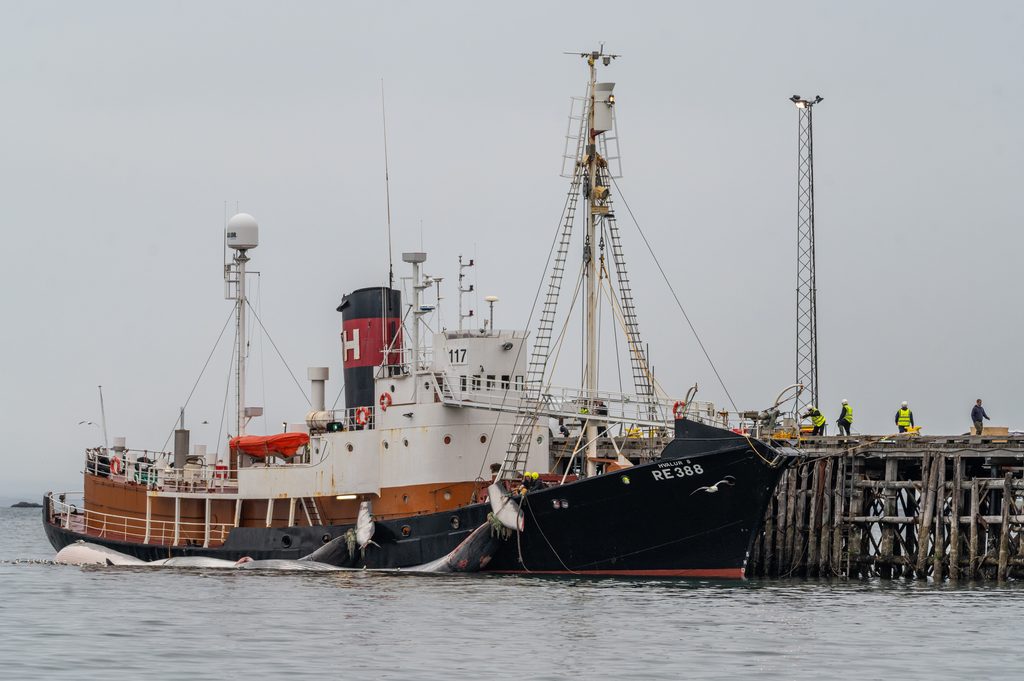
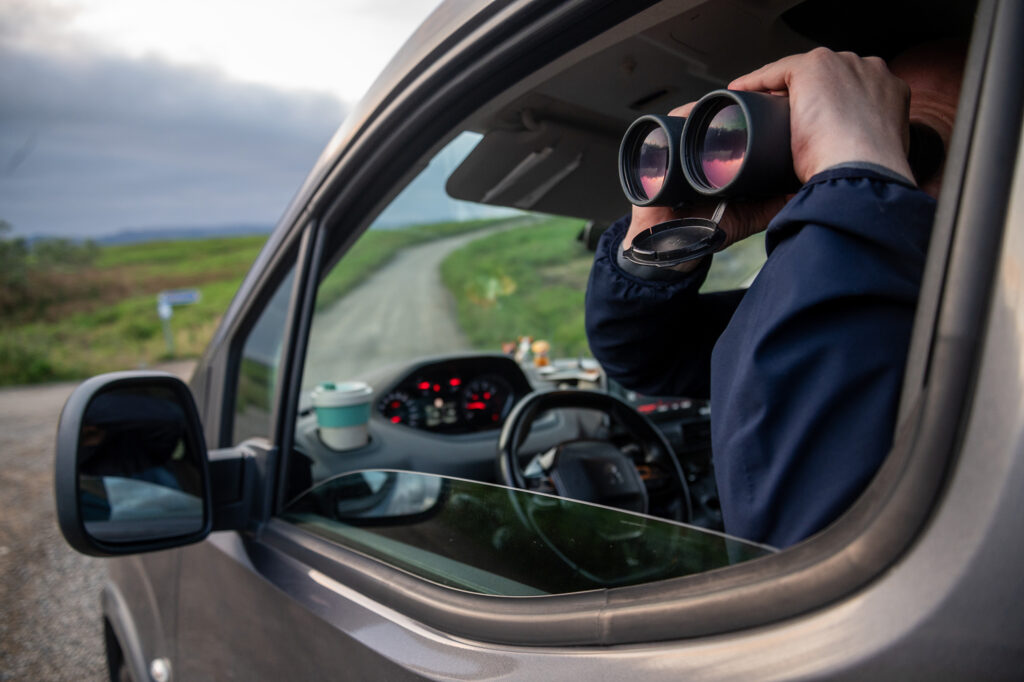
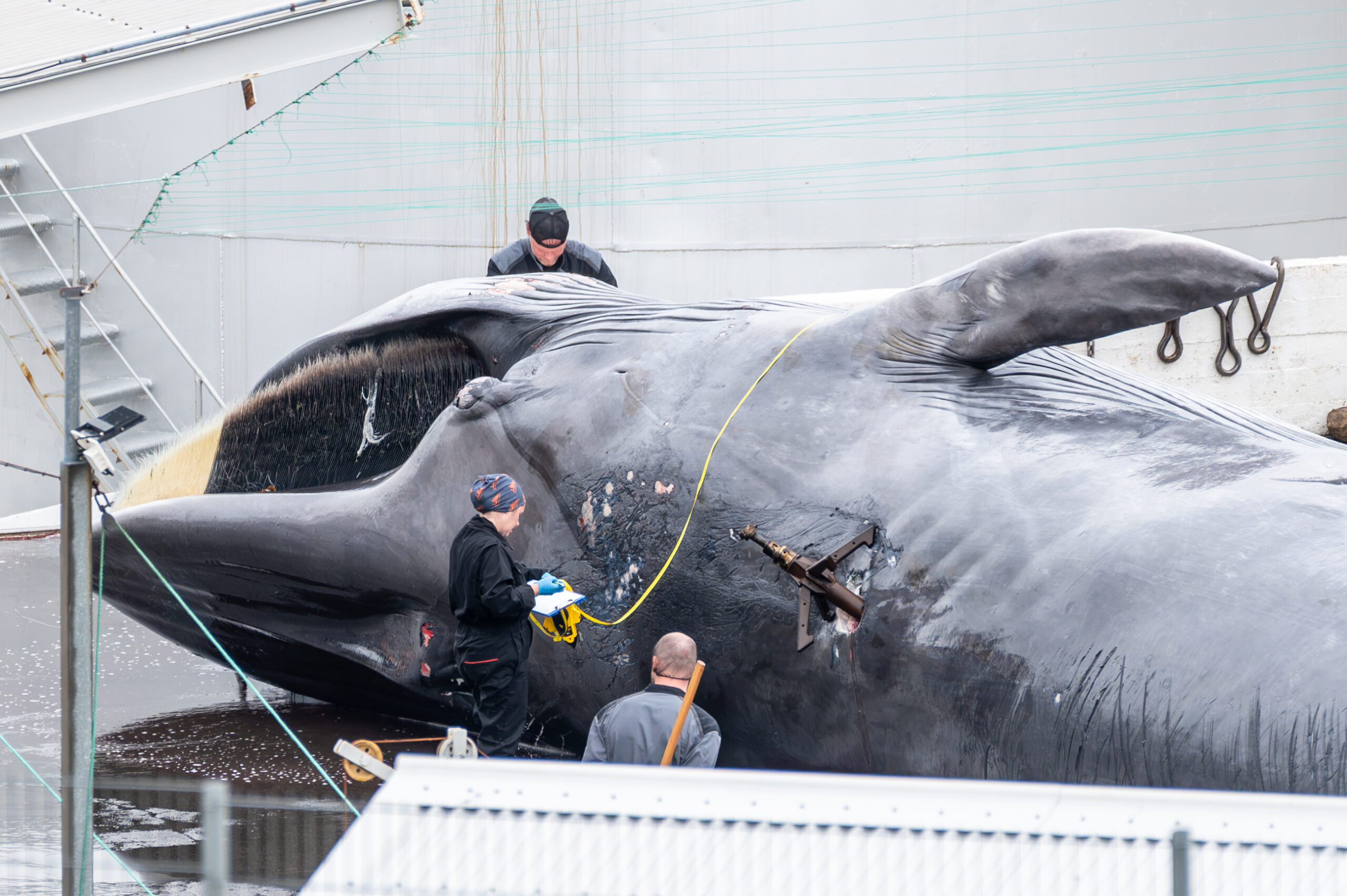
What we have witnessed and documented has been deeply disturbing and, in our view, simply unacceptable. Our observations have reinforced our conviction that the hunting of fin whales in Iceland is fundamentally at odds with the country’s animal welfare legislation and with its stated ambition to uphold high standards of animal welfare.
Some of the cases we documented have subsequently been corroborated by official hunting reports and post-mortem examinations conducted by the authorities responsible for monitoring the hunts. The most prominent incident made headlines early in the season, when a fin whale reportedly suffered for 31 minutes before dying. This was not an isolated case. Another whale hunted by the same vessel endured an even longer ordeal, suffering for 38 minutes after being fired at five times.
Over the past several years, public opinion on commercial whaling in Iceland has noticeably shifted. This change can be attributed, in part, to growing public awareness and greater insight into whaling operations, driven by increased transparency, strengthened governmental oversight, and intensified educational and awareness efforts, including the work of our organisation.
Together, these efforts have encouraged many Icelanders to reconsider their views on whaling and, increasingly, to speak out against it. Among them are a number of well-known public figures who have openly expressed their opposition.
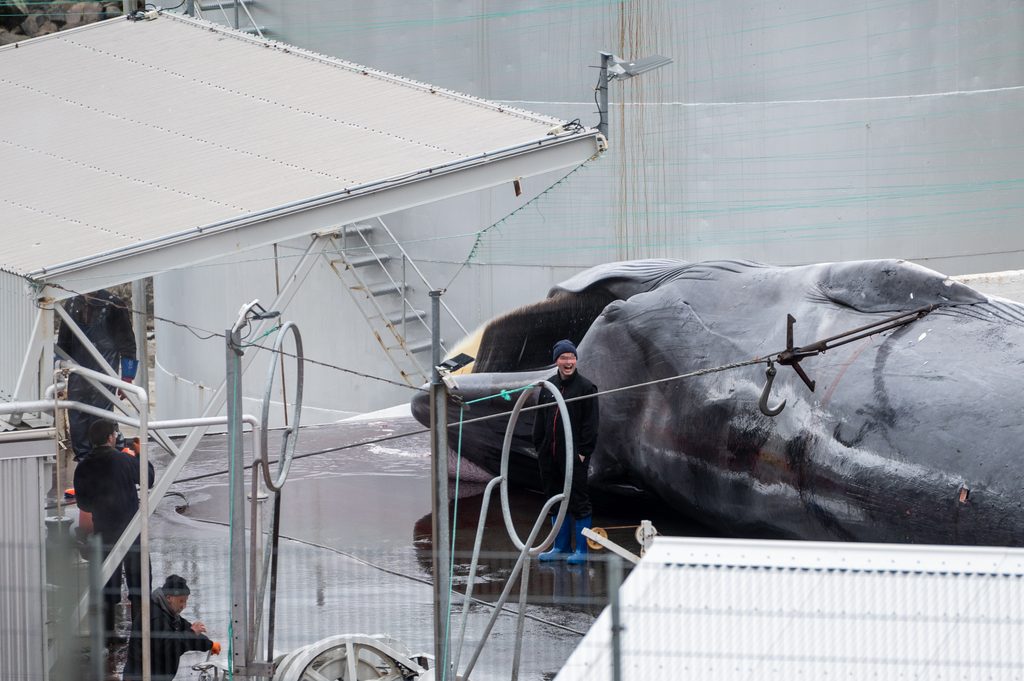
The growing attention and public scrutiny surrounding whaling have, however, been unwelcome to those seeking to continue the practice. Over the course of this summer’s hunting season, measures were introduced that significantly restricted public access to the main whaling operation site. These included the installation of an electric fence around parts of the whaling station in Hvalfjörður, as well as additional visual barriers “designed” to obstruct the view of independent observers such as ourselves.
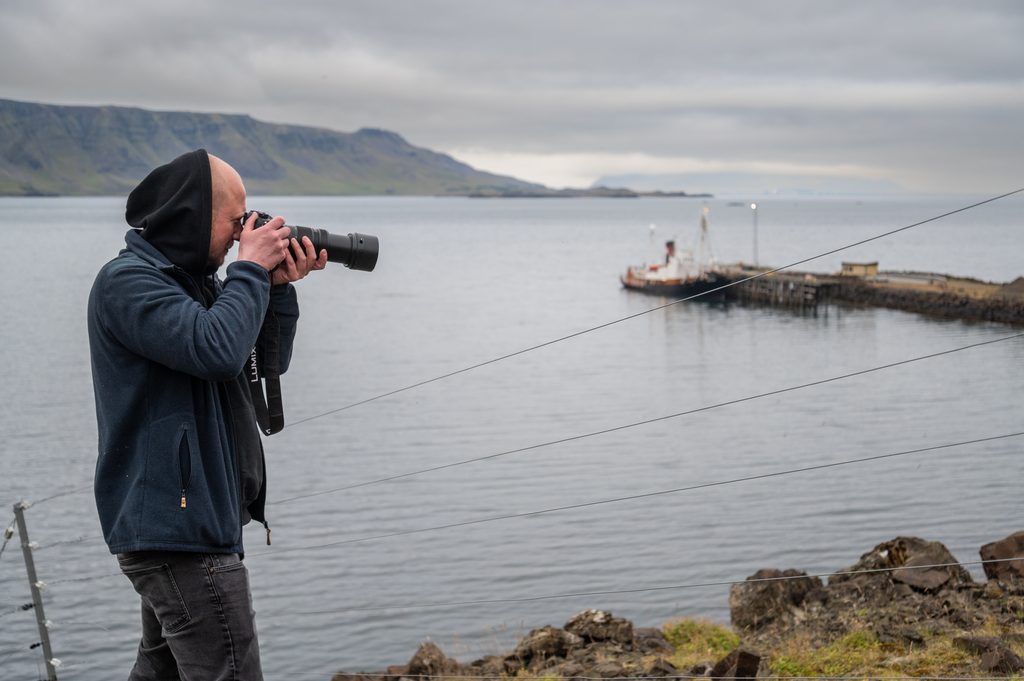
Despite these increasingly restrictive measures, we were able to find ways to continue our observations over the past month. The footage we captured during this period has only strengthened our understanding of why those operating the whaling station appear to have an interest in shielding their activities from public view.
Hard To Port documented several whales displaying signs consistent with prolonged struggles before death, including multiple harpoon strikes and apparent evidence that some shots had gone awry. In recent weeks, we have also observed what appears to be an increase in the landing and processing of pregnant whales.
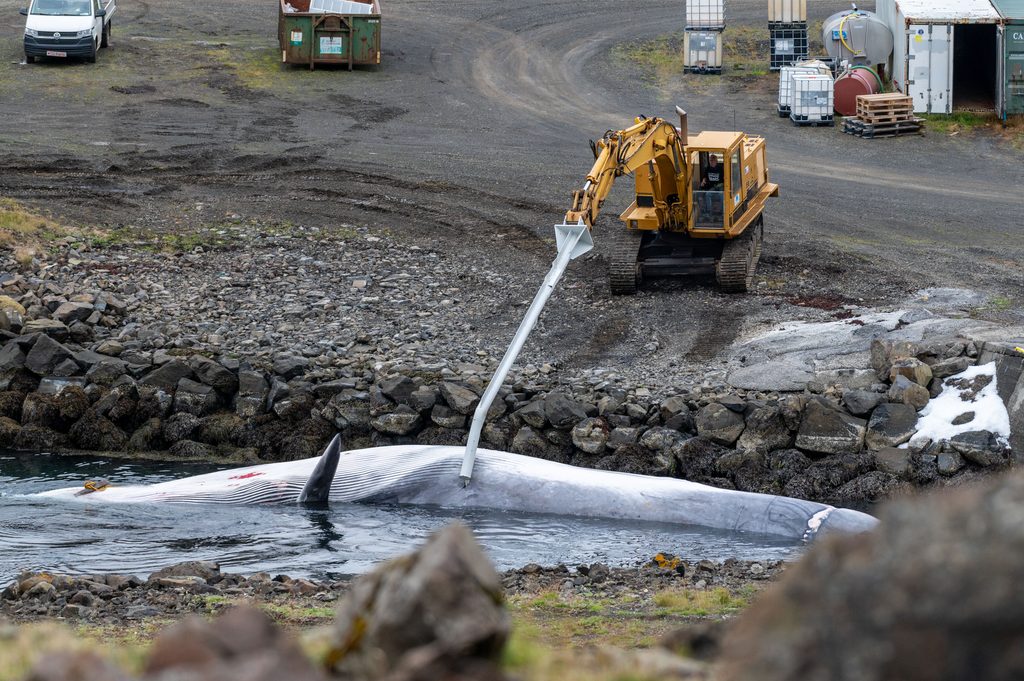
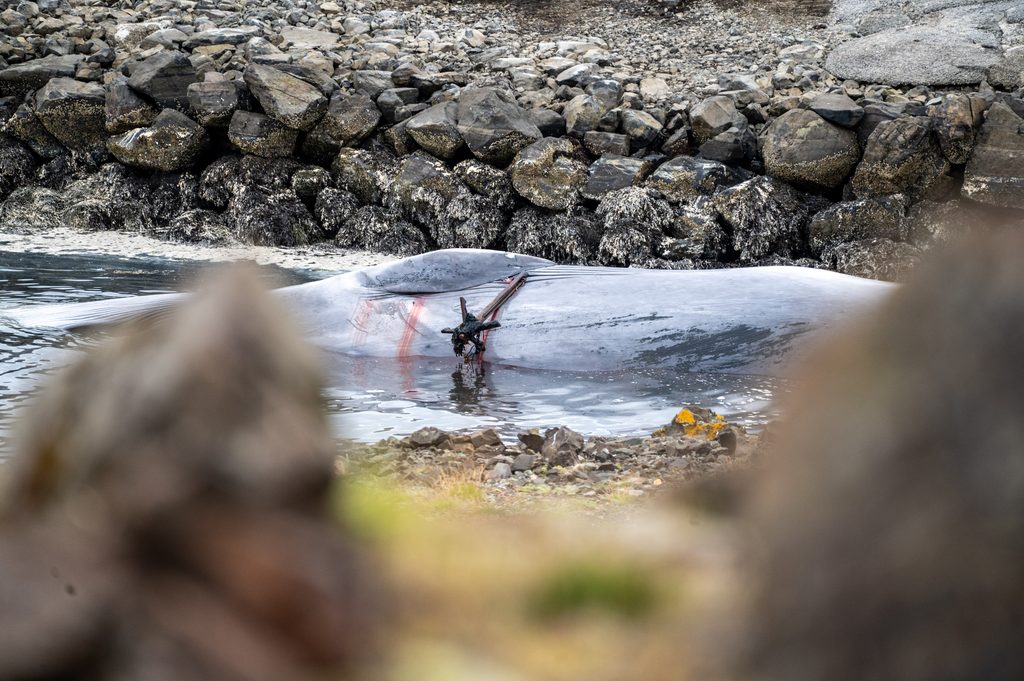
Despite our years of experience documenting these operations, witnessing a whale calf being removed from its mother remains deeply distressing. Seeing its tiny pectoral fins tucked against its body and its developing fluke dragged across the concrete floor, through the remains and blood of its slaughtered mother, is an image that is difficult to forget. How can this be considered ethical in a modern, forward-thinking country?
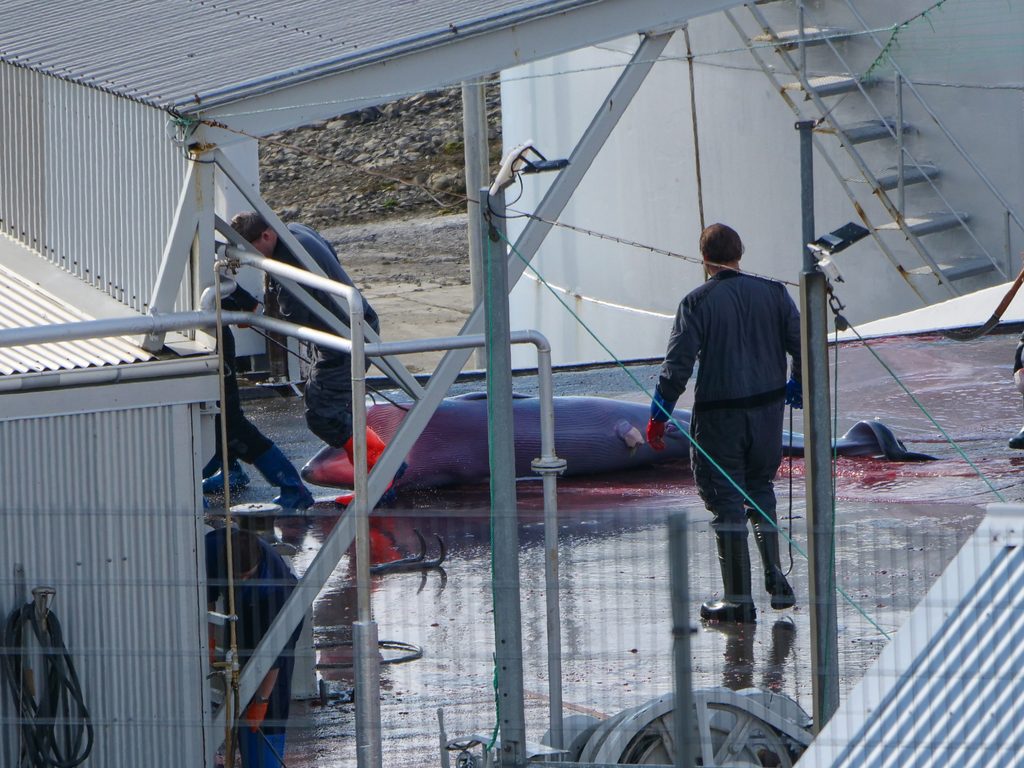
While some of our observations could be cross-checked against available official reports, a number of questions remain unanswered for now. Further information and documentation will be needed before firm conclusions can be drawn about individual cases.
Nevertheless, our observations to date lead me to conclude that most of the fundamental concerns surrounding the hunting of whales in Iceland remain unchanged. I have seen no evidence that the measures proposed to reduce the suffering of these sentient marine mammals have resulted in meaningful and reliable improvements. Many whales continue to face the possibility of a prolonged and painful death. Those responsible for regulating and overseeing whaling have a duty to ensure that animal welfare standards are effectively upheld. If that cannot be achieved, as the evidence from this and previous hunting seasons suggests, decisive action is needed to prevent further suffering in the future.