Acting Minister of Food, Agriculture, and Fisheries Bjarni Benediktsson has issued new whaling licenses despite widespread opposition in Iceland and his family ties to Hvalur hf., the last fin whaling company in the country.
The licenses permit Tjaldtangi ehf. to hunt up to 217 minke whales and allow Hvalur hf., led by whaling magnate Kristján Loftsson, to target 161 fin whales—classified as vulnerable—in their main hunting areas near East Greenland and West Iceland. While 48 additional animals could be hunted in the eastern region between Iceland and the Faroe Islands, they remain beyond Hvalur’s operational scope.
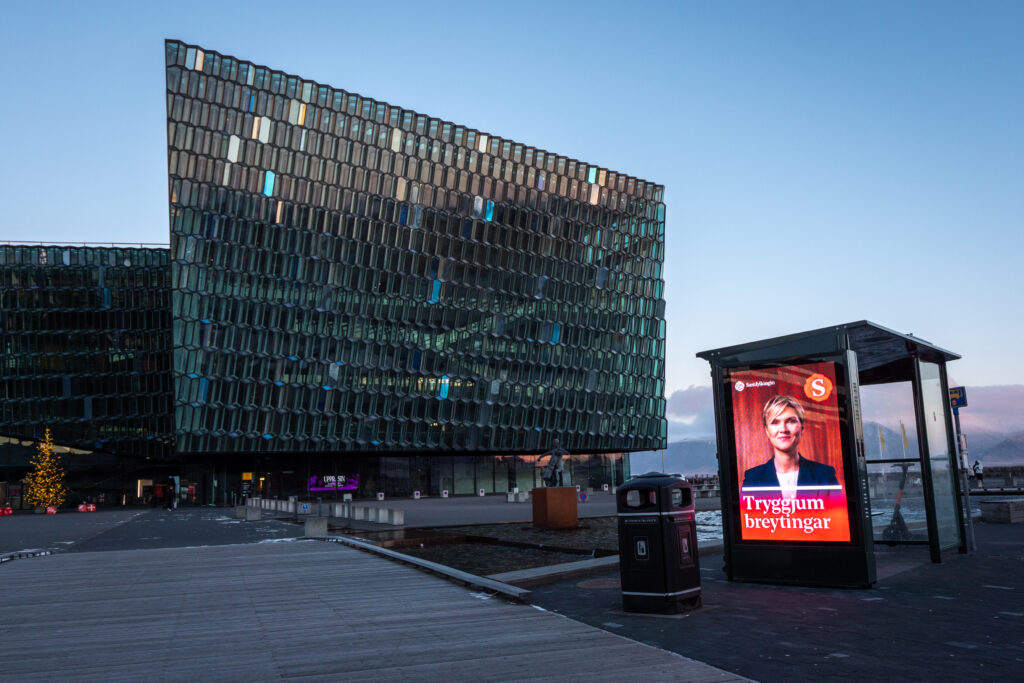
This last-minute decision coincides with ongoing coalition talks to form Iceland’s next government, following the conservative Independence Party’s historic electoral defeat under Benediktsson’s leadership.
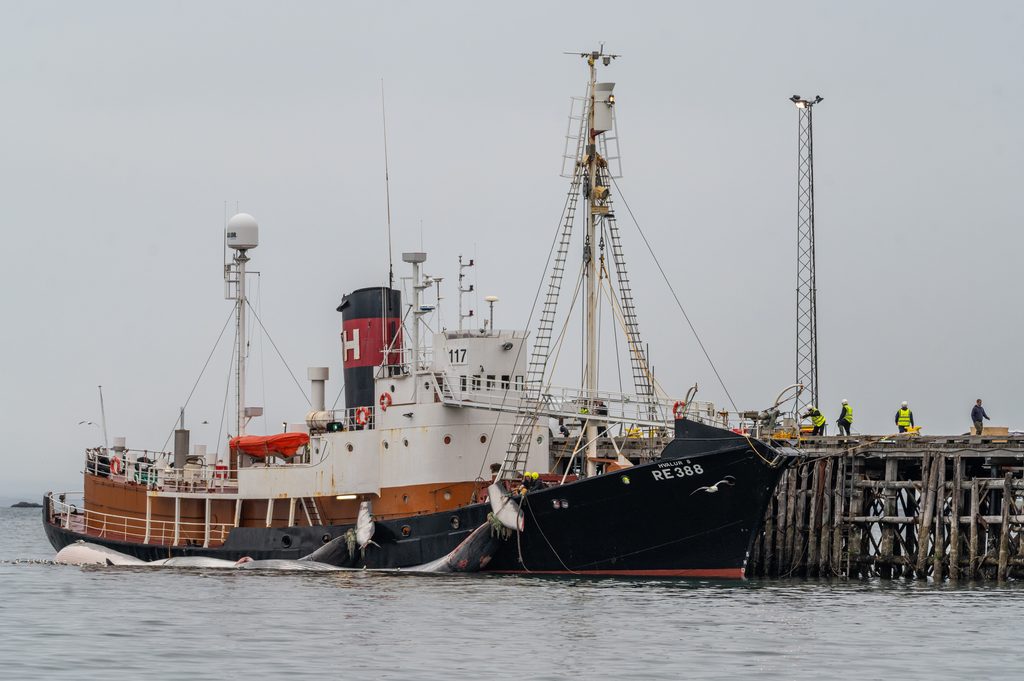
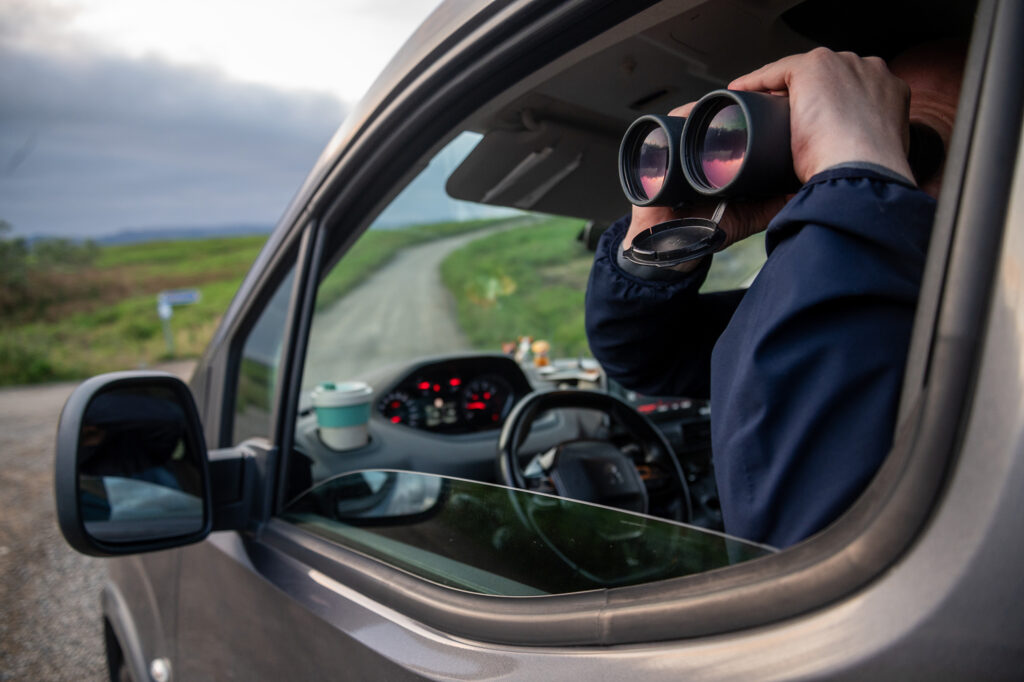
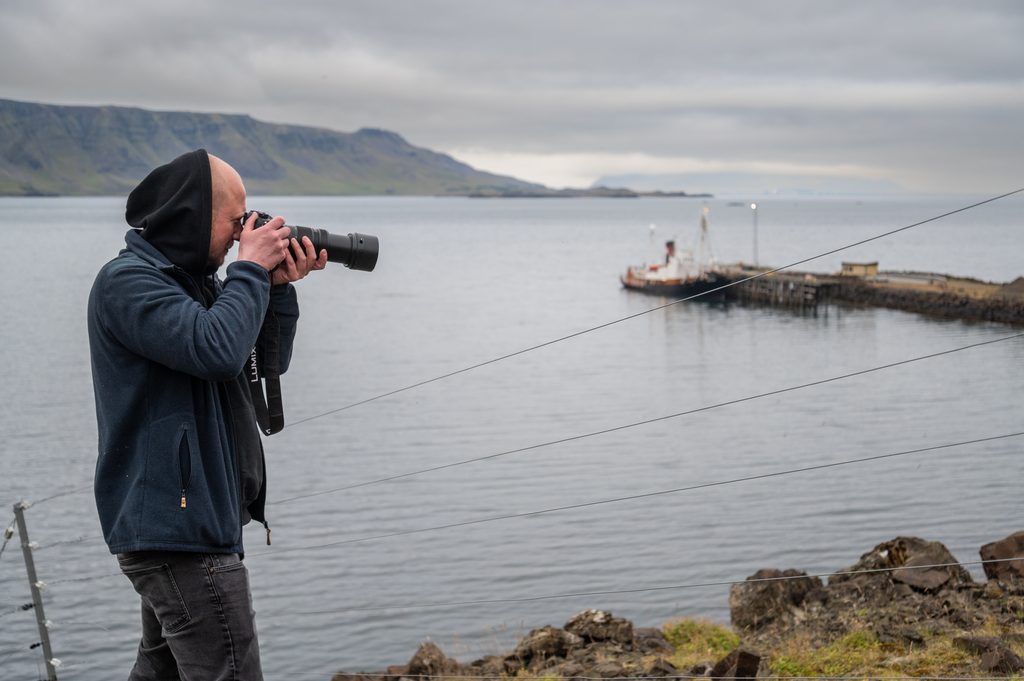
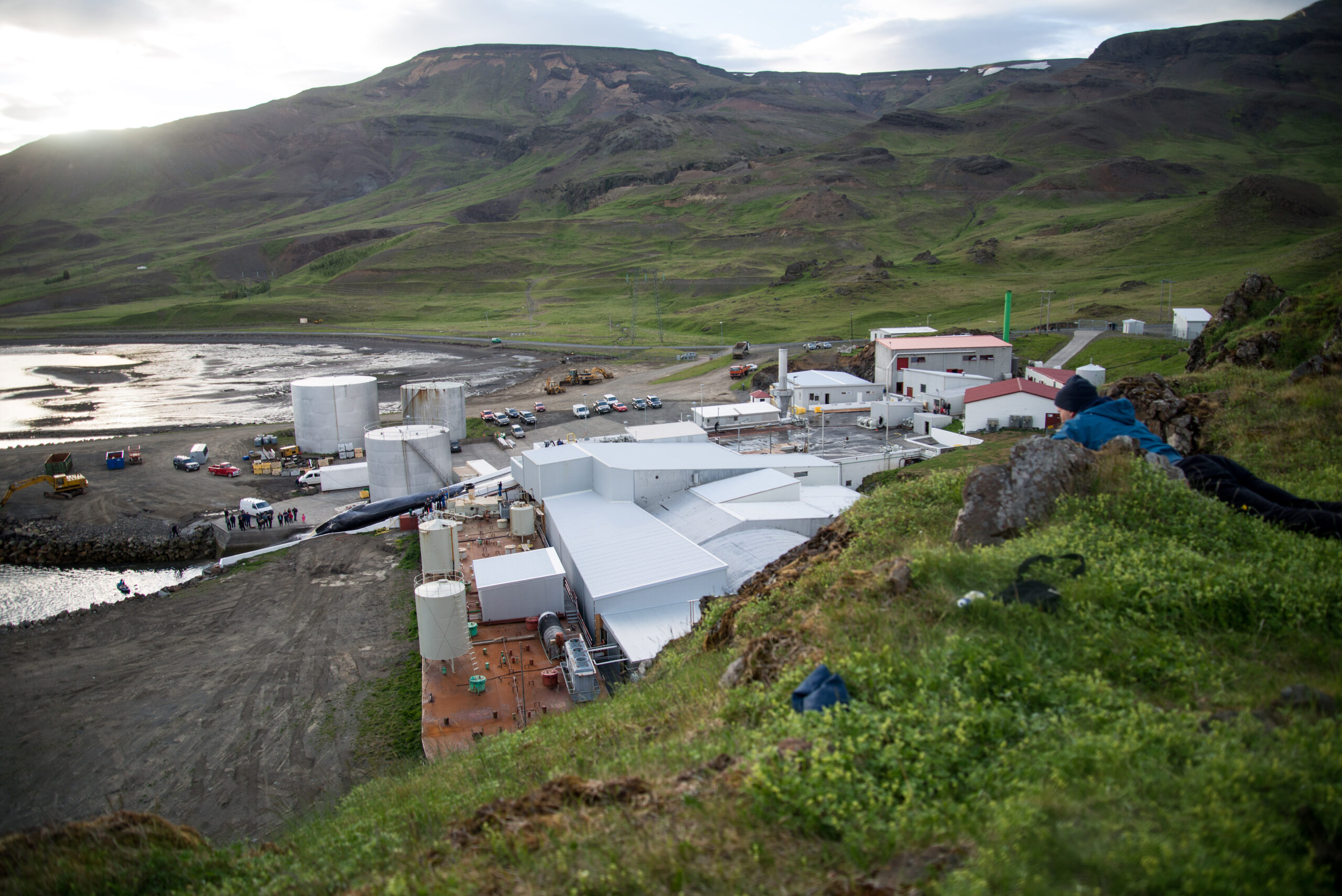
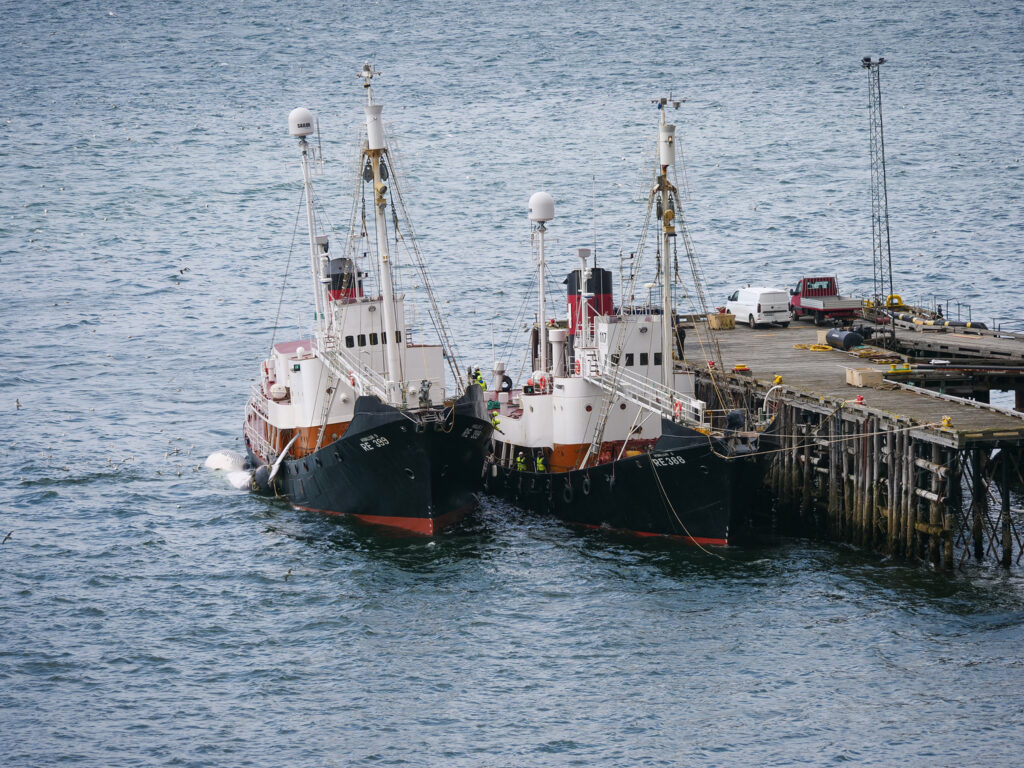
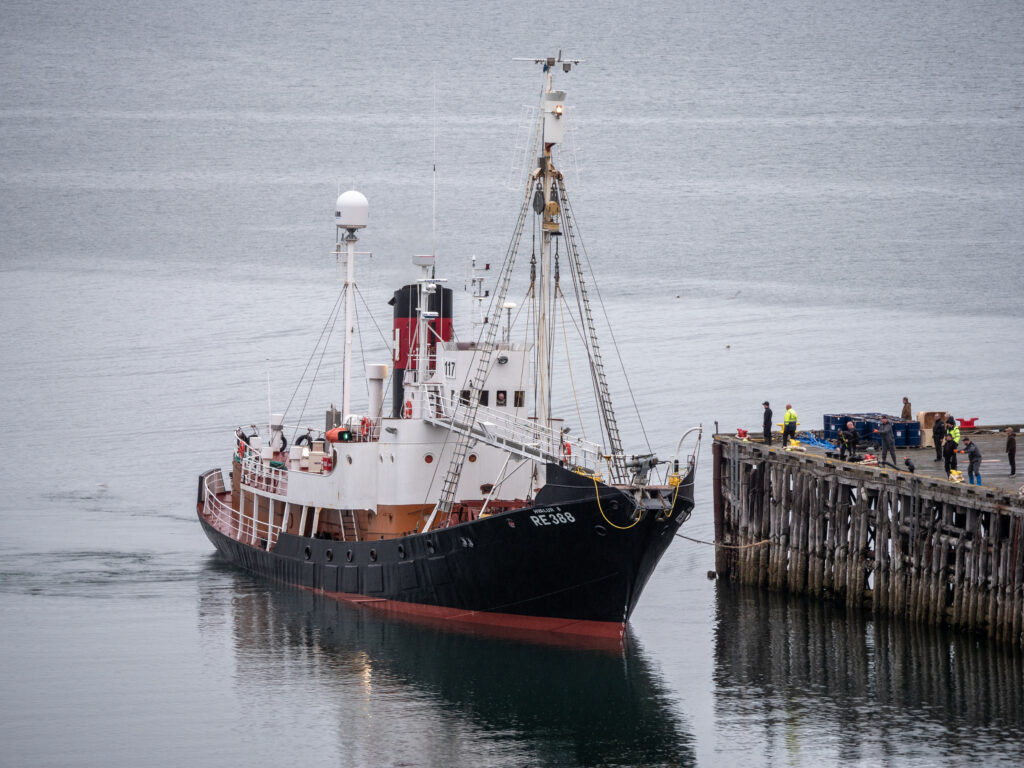
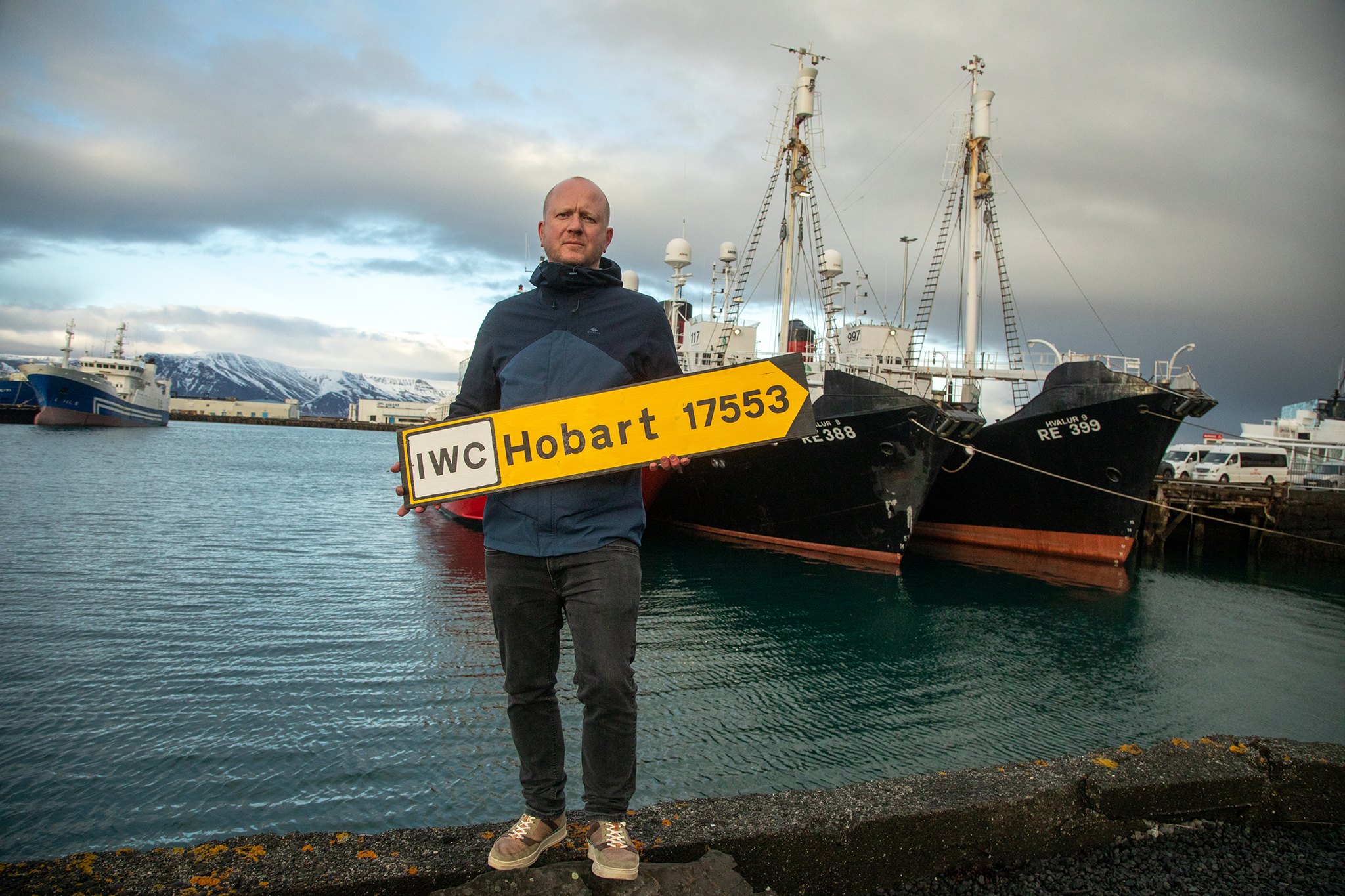
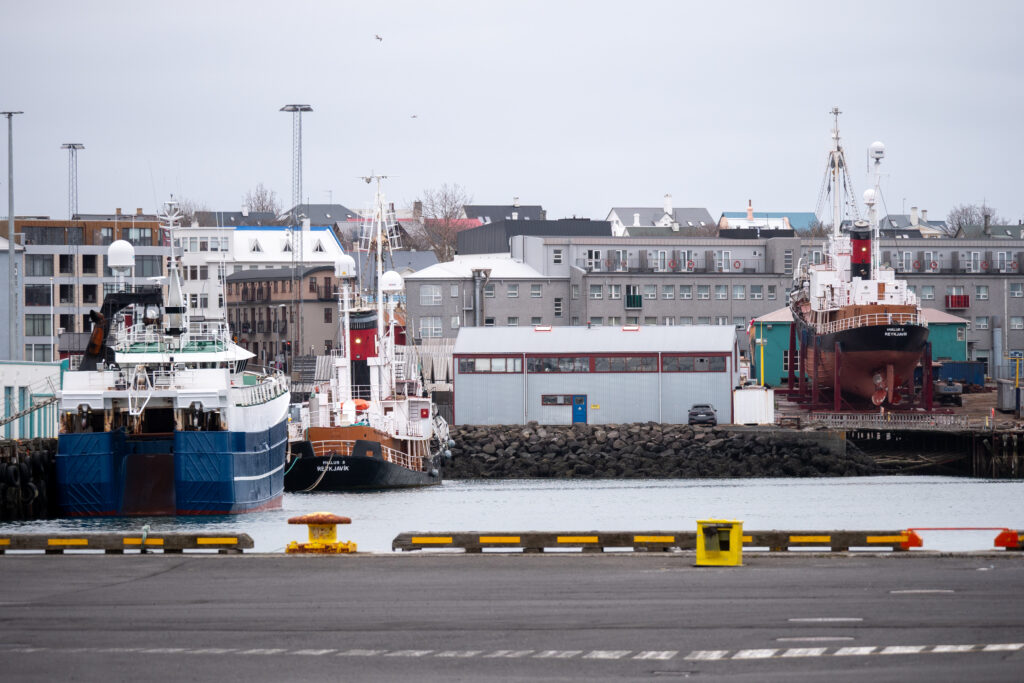
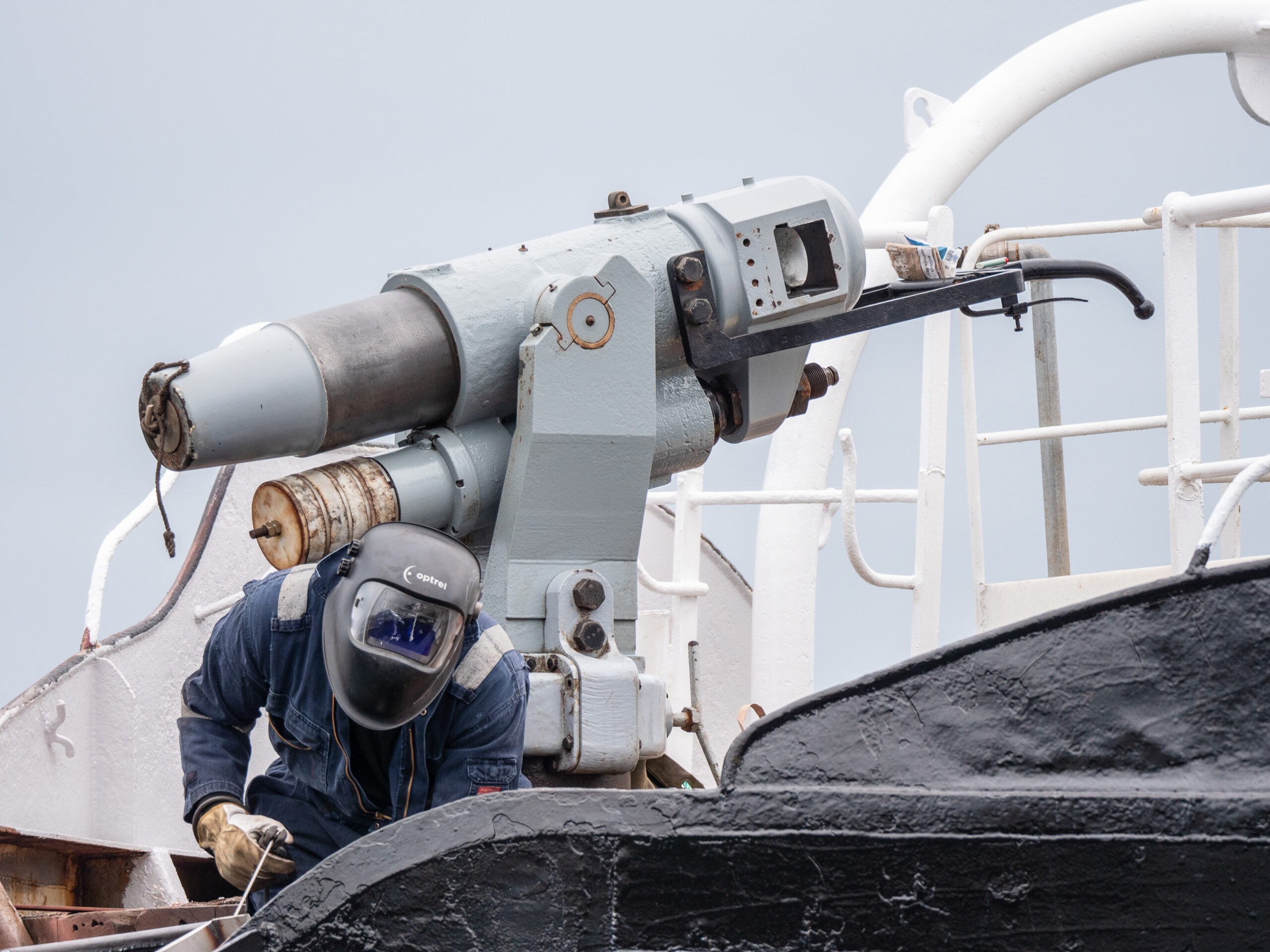
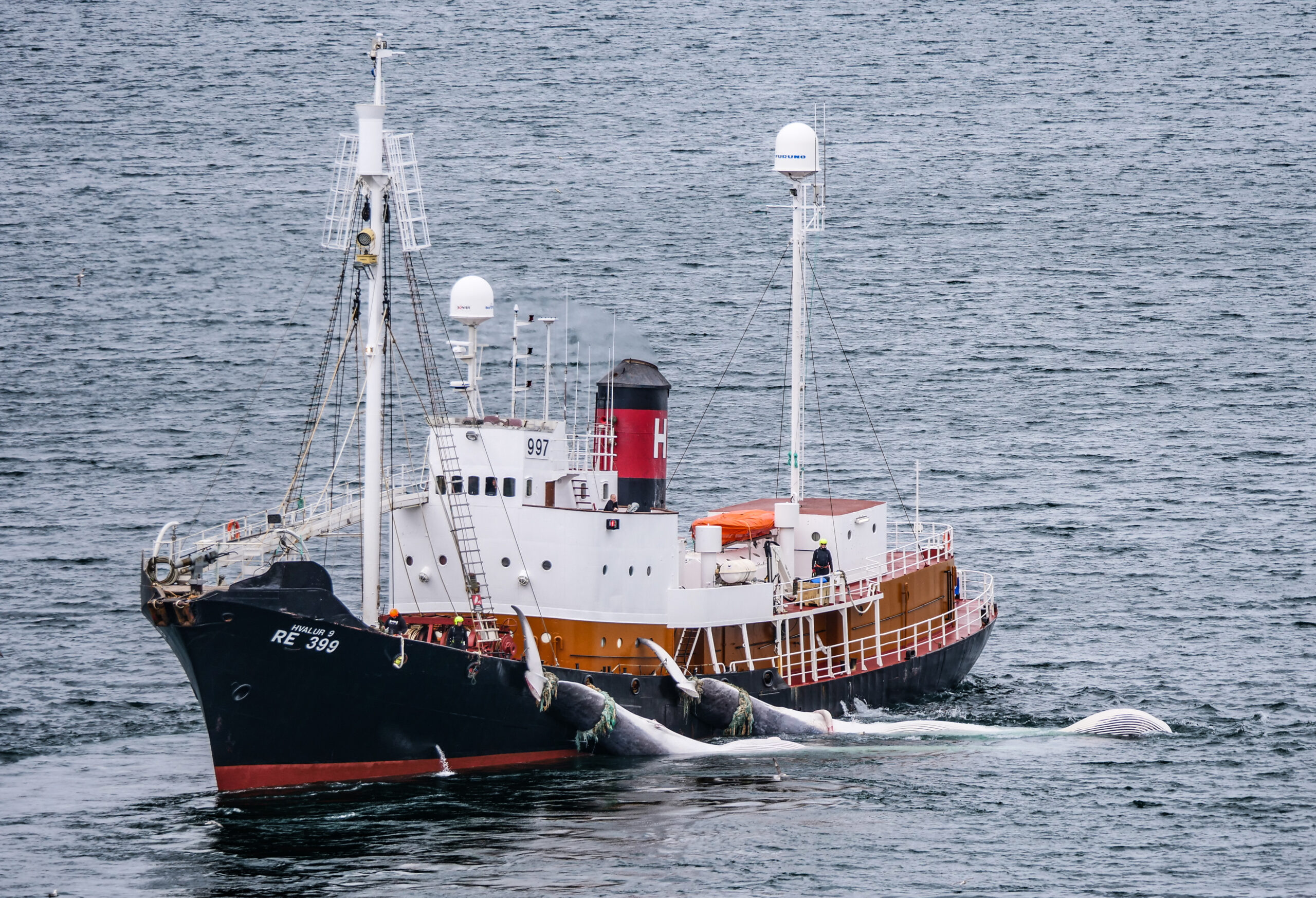
Meanwhile, Hvalur’s two fin whaling vessels are being refurbished in Reykjavík, and construction at their whaling station north of the capital suggests that independent oversight from NGOs like Hard to Port may face new challenges during future hunts.
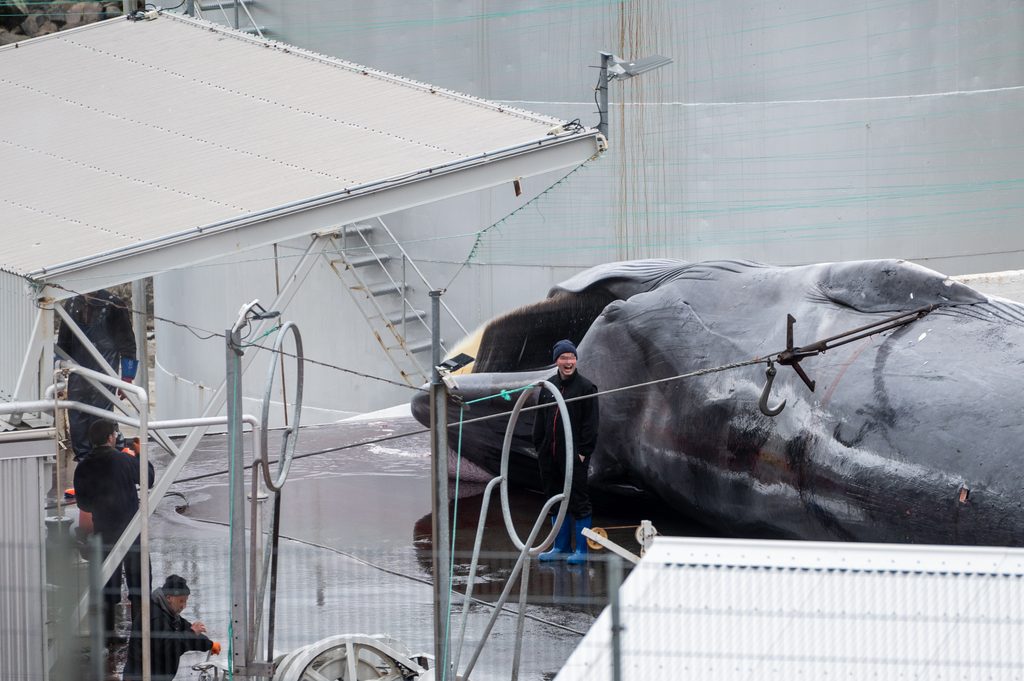
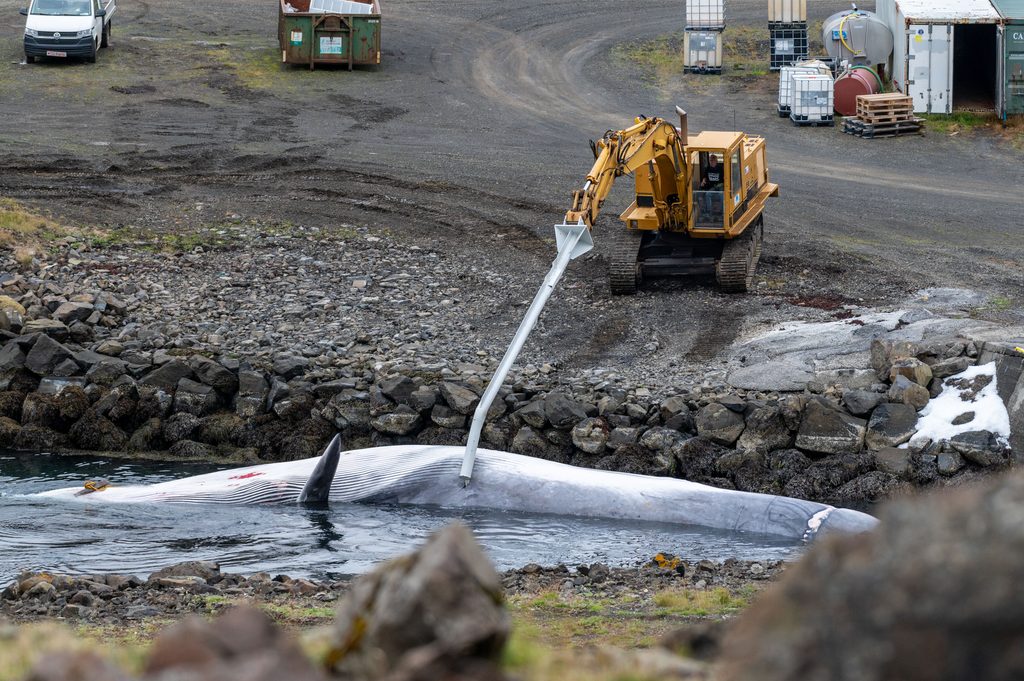
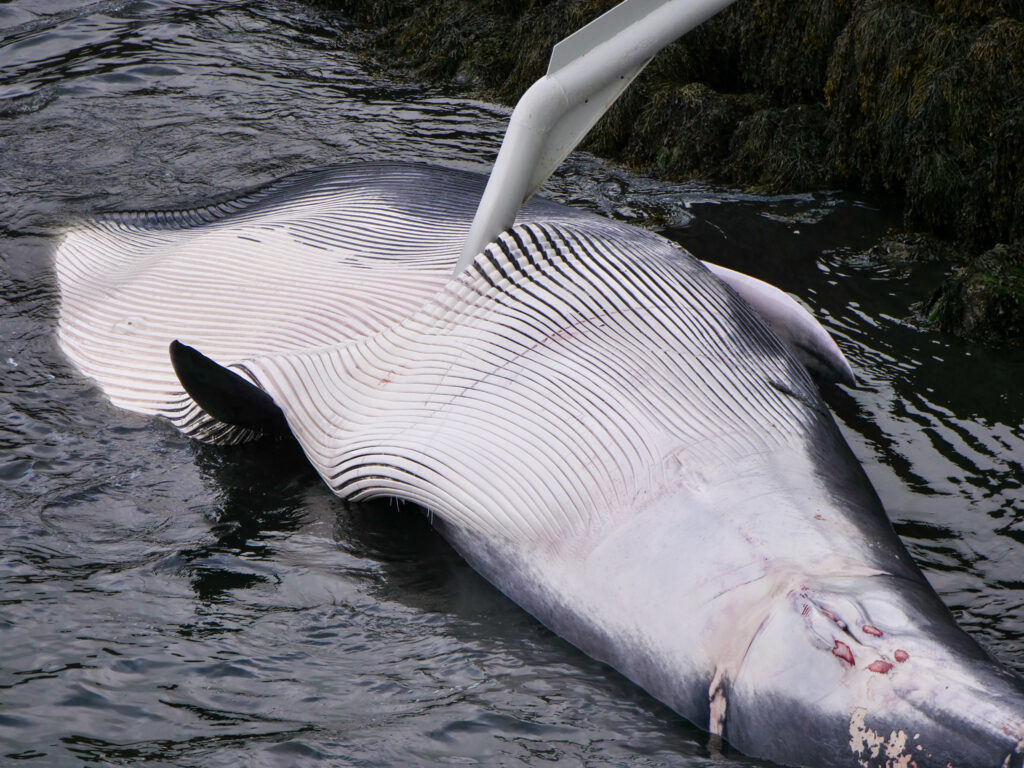
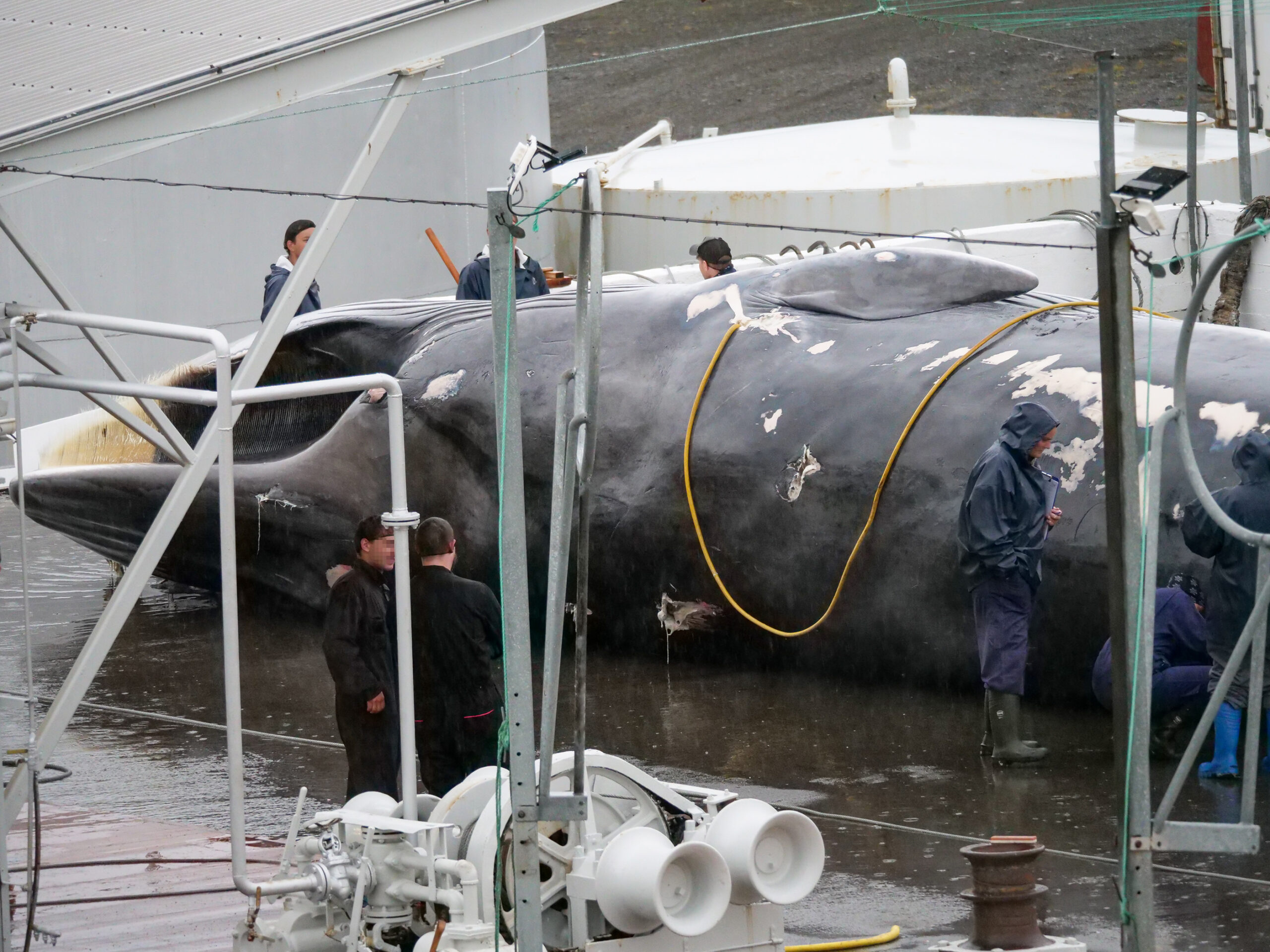
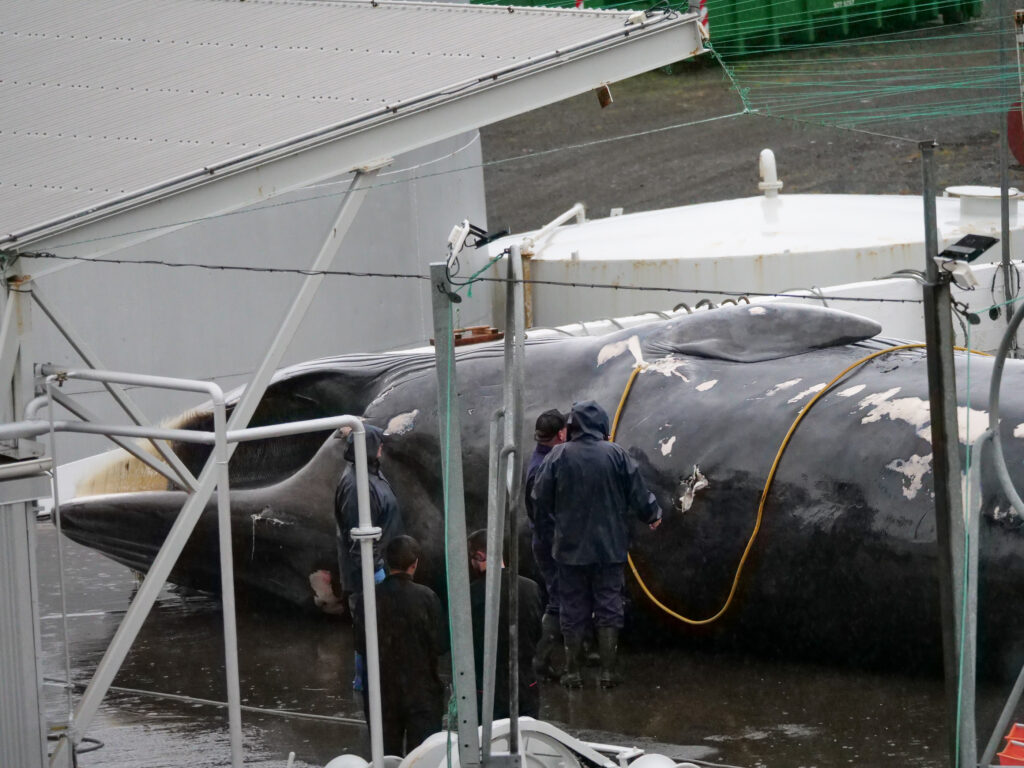
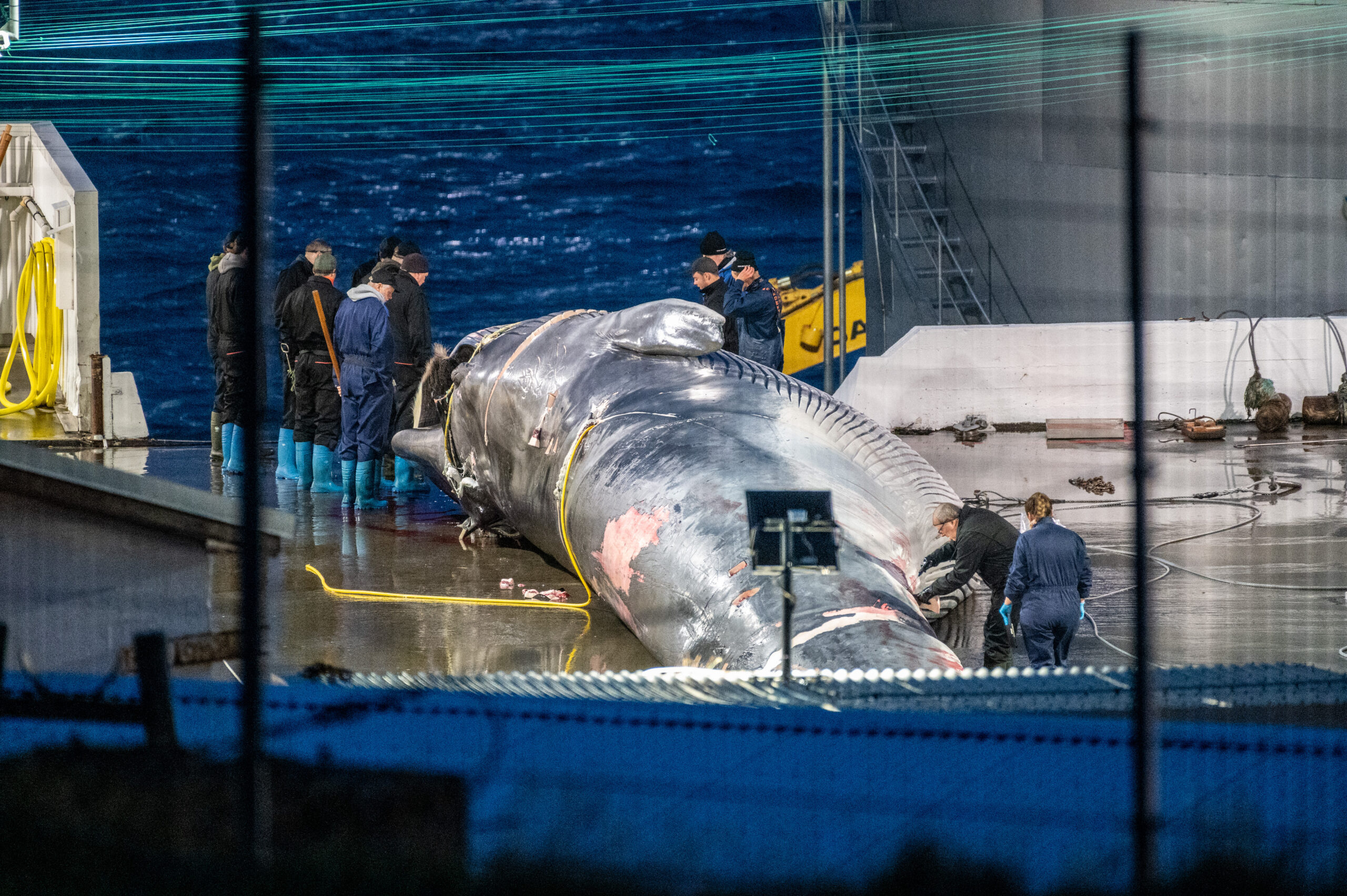
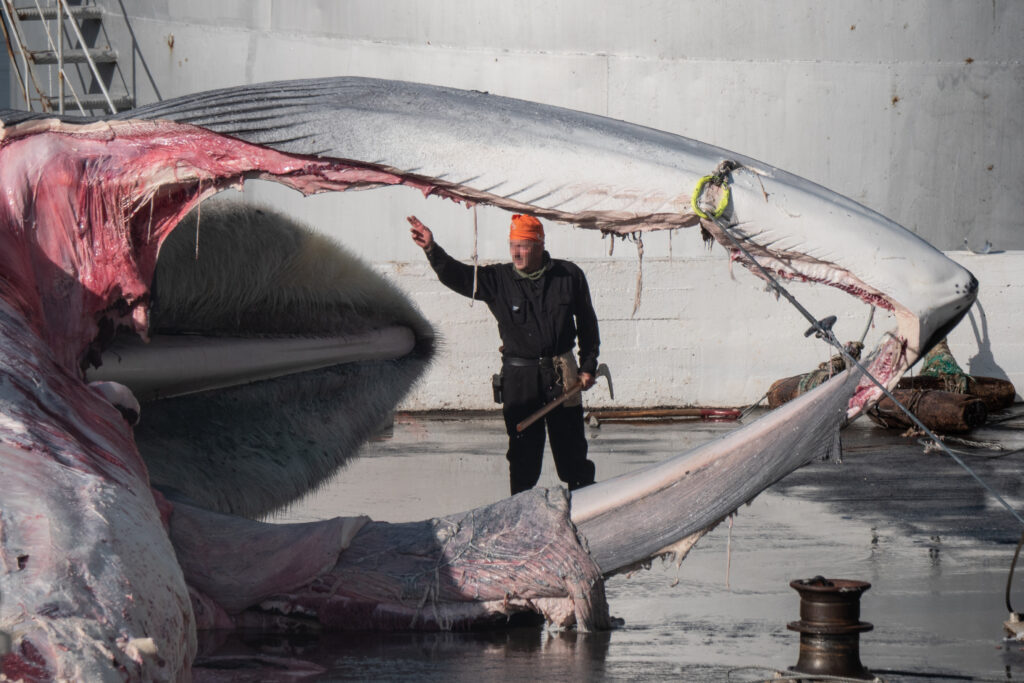
23 animals have been landed and butchered at the whaling station in Hvalfjörður. One animal was struck and lost at sea. An almost fully developed calf that was cut out from its mother’s womb brings the total number of dead whales to 25 in this year’s shortened whaling season.
Thanks to the temporary suspension of fin whaling (20.6.2023 – 31.08.2023) by the Minister of Food, Agriculture and Fisheries, the collective efforts of conservationists/activists and stormy September weather, over 120 fin whales could be saved this summer.
Hard To Port brought some of these disturbing incidents to the attention of the media and public, which left many people speechless and outraged in Iceland and abroad. The sad and disturbing fate of the unfortunate mother fin whale and her unborn calf reached over 1.1 million people on our (and our colleague’s) Instagram within days. We will continue to tell their moving story.
Hvalur hf’s, the last active whaling company in Iceland, 5 year hunting license expires at the end of the year. It is now up to Iceland’s Minister of Food, Agriculture and Fisheries Svandís Svavarsdóttir to make a decision about the future of this archaic and inhumane ‘industry’.
We at Hard To Port would like to express our gratitude to everyone who has been working tirelessly and constructively for this cause over the past year and to everyone who supported our efforts financially and in other ways.
The Icelandic Food and Veterinary Authority (MAST) has temporarily stopped the harpoon ship Hvalur 8 due to serious violations of animal welfare regulation.
In a short statement on their website, MAST explains their decision as follows:
“During surveillance, it was found that the first shot of Hval 8 on September 7 hit the animal outside the specified target area, with the result that the animal was not killed immediately. In such cases, hunters must, according to new regulation, shoot the animal without delay again. It wasn’t done until almost half an hour later, and the whale died a few minutes after that. Such a delay is considered a violation of the Animal Welfare Act and the regulation on fin whaling.” (automatically translated).
Hard To Port’s photographer Boris Niehaus gathered important evidence of this incident in the early morning hours of September 8th when the animal was brought to shore. Hard To Port immediately informed the media about the observed irregularities and forwarded our footage to Katrín Oddsdóttir, lawyer at Réttur – Aðalsteinsson & Partners ehf. who sent a request to MAST to stop whaling immediately.
Icelandic newspaper Heimildin reported about the incident.
UPDATE: Video footage of this particular hunt / incident was published in Icelandic media. The whale in the video was inaccurately shot with the first harpoon, which pierced the head of the animal. A delayed shot was fired almost 30 minutes later. (Viewer discretion advised)
Despite the incident during the first hunting trip of the 2023 whaling season, operations of whaling ship Hvalur 9 were allowed to continue.
The whaling report of the 2022 fin whaling season has been released and its results have sparked outrage in Iceland and abroad.
Last Monday the Icelandic Food and Veterinary Authority (MAST) released a statement and short summary of the long-awaited report on their website. The results of on-board monitoring of the catch of 58 fin whales between 24 August – 28 September 2022 revealed that:
35 (59%) whales died instantly according to the International Whaling Commission (IWC) definition ofwhen a whale is considered dead during whaling.
In addition, five whales that exhibited convulsions are believed to have lost consciousness immediately or very quickly, and therefore it is estimated that 67 % of the whales died or lost consciousness quickly or immediately.
Hard To Port has been working towards this outcome for many years. Arne Feuerhahn, CEO of Hard To Port comments:
“The recently published report on the 2022 fin whale hunt has substantiated our revelations from the past summer. It also shows that the cases that we brought to the public’s attention through our investigative work are only the tip of the iceberg.
As a result of the new regulations on whaling that came into effect last August, the public has now been given a detailed insight into this controversial industry that, until now, has been highly inaccessible to the general public.
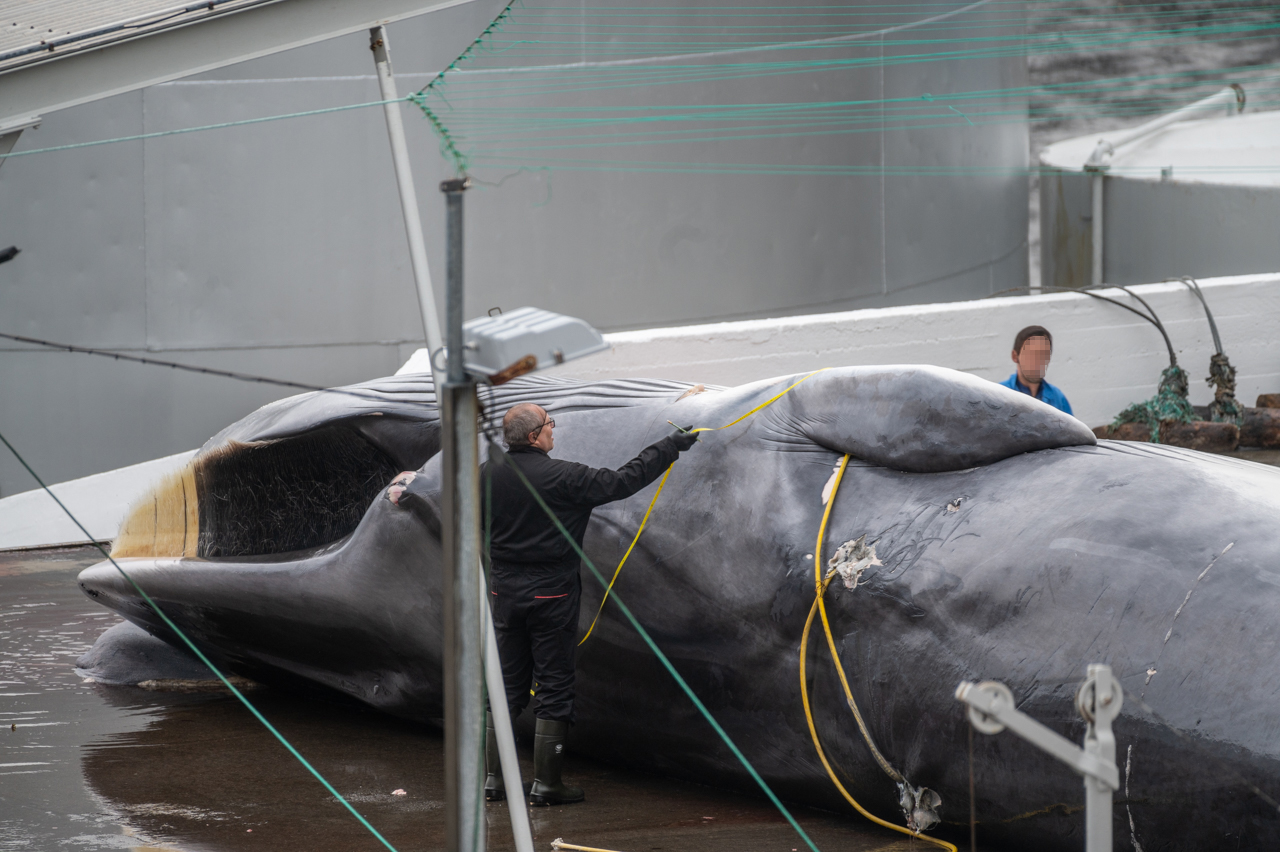
The findings of the report are deeply troubling. As the report details, the agony of some animals lasted up to one hour. In one case, a whale even suffered for two hours before it finally died. The report also states that a quarter of all fin whales had to be shot at least twice, and several whales were hit with three or four harpoons. One animal even escaped with a harpoon stuck in its body, after it had been chased for 5 hours. These details sound like they were taken from the script of a horror movie, but sadly, this is the reality of commercial whaling in Iceland today.
With only 59% of recorded deaths considered instantaneous, and a median time to death of 11,5 minutes in whales that survived the first harpoon strike, these hunts have a shockingly poor killing efficiency.
This independent report paints a very grim picture of the reality of the whaling operations at sea. It is our firm conviction that the Fisheries Minister Svavarsdóttir ought to take immediate action to ensure that the fin whales who move through the waters around Iceland will no longer be subjected to this senseless cruelty.”
You can help us making a difference for these animals. Please consider supporting our effective whale conservation efforts in the North Atlantic by making a small contribution towards our work. Thank you, Danke and Takk Fyrir.
Whaling Transparency petition calls for release of fin whaling footage
After Hard To Port’s disturbing revelations of the mistreatment of fin whales during the 2022 whaling season in Iceland, the Minister of Food, Agriculture and Fisheries responded with a revision of the regulations on whaling. The video documentation of all fin whale hunts became mandatory in August 2022.
With our new project ‘Whaling Transparency’ we are asking for the release of this footage.
Joined and supported by the talented, Hamburg-based illustrator Sarah Heuzeroth, we will highlight some of the most disturbing aspects about these hunts in a short series of illustrations.
We kindly ask you to participate in this petition letter to Iceland’s current Minister of Food, Agriculture and Fisheries by adding your name to the list of signatories who demand full transparency about the treatment of whales.
Hvatningarverðlaun 2022 – Incentive Award for Hard To Port
Hard To Port has received the 2022 Incentive Award from the Icelandic Vegan Society for “outstanding and effective efforts in bringing media’s and authorities’ attention to whaling in Iceland”.
Hard To Port has achieved meaningful change in Iceland’s whaling policy. All fin whaling operations will be monitored and filmed from now on.
Following Hard To Port’s revelations of obvious animal welfare violations during the first weeks of the 2022 hunting season, the government will start taking a closer, more critical look behind the curtain of Hvalur hf.’s activities, at land and out at sea.
A fin whale is being pulled up the slipway of the whaling factory in Iceland.
Two institutions, namely MAST (Icelandic Food and Veterinary Authority) and Fiskistofa (Directorate of Fisheries) will implement the new regulation in close cooperation.
“It is a matter of celebration that these key institutions will cooperate on the inspection. The expertise can be found there, and the data collected will be able to determine whether whaling is legal” – Minister of Food, Fisheries and Agriculture Svandís Svavarsdóttir.
Catcher ship Hvalur 8 leaves Reykjavík harbour for the 2022 hunting season.
Before the new regulation was announced, MAST (Icelandic Food and Veterinary Authority) had started an investigation into potential animal welfare violations.
Sigurborgar Daðadóttir, the Chief Veterinarian of MAST, stated that an assessment will be made as to whether whaling complies with Article 27, a law on animal welfare that deals specifically with how hunting should be carried out.
The marine conservation organization Hard To Port has documented the landing of an adult fin whale yesterday, whose body had been hit by four harpoon shots.
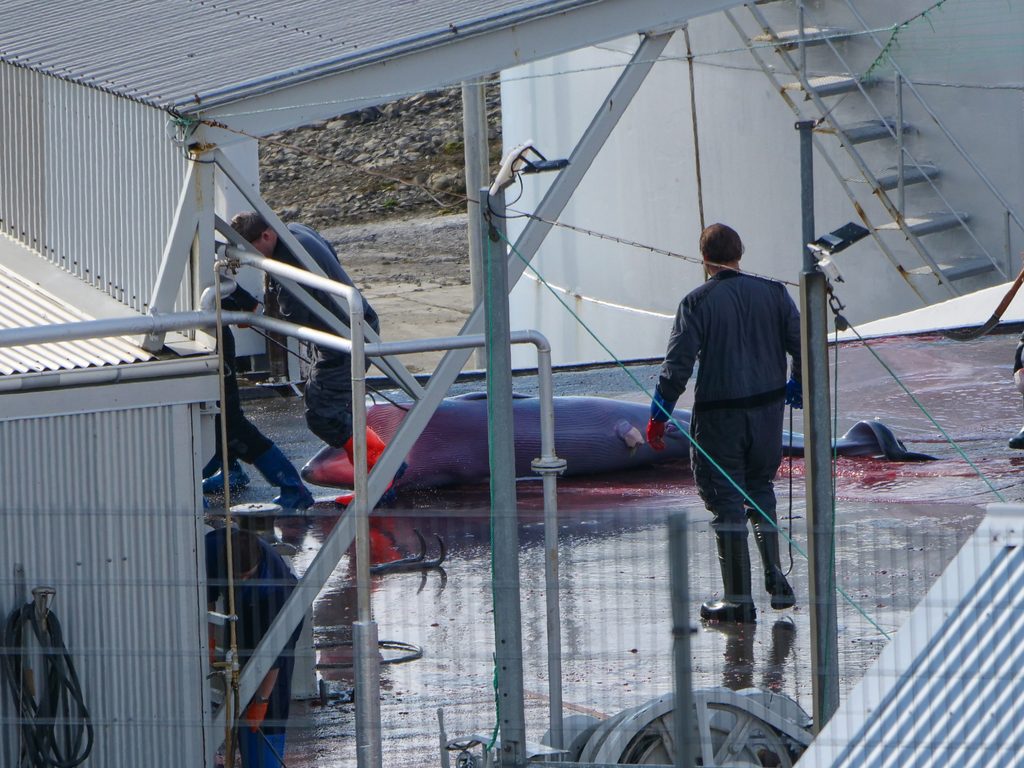
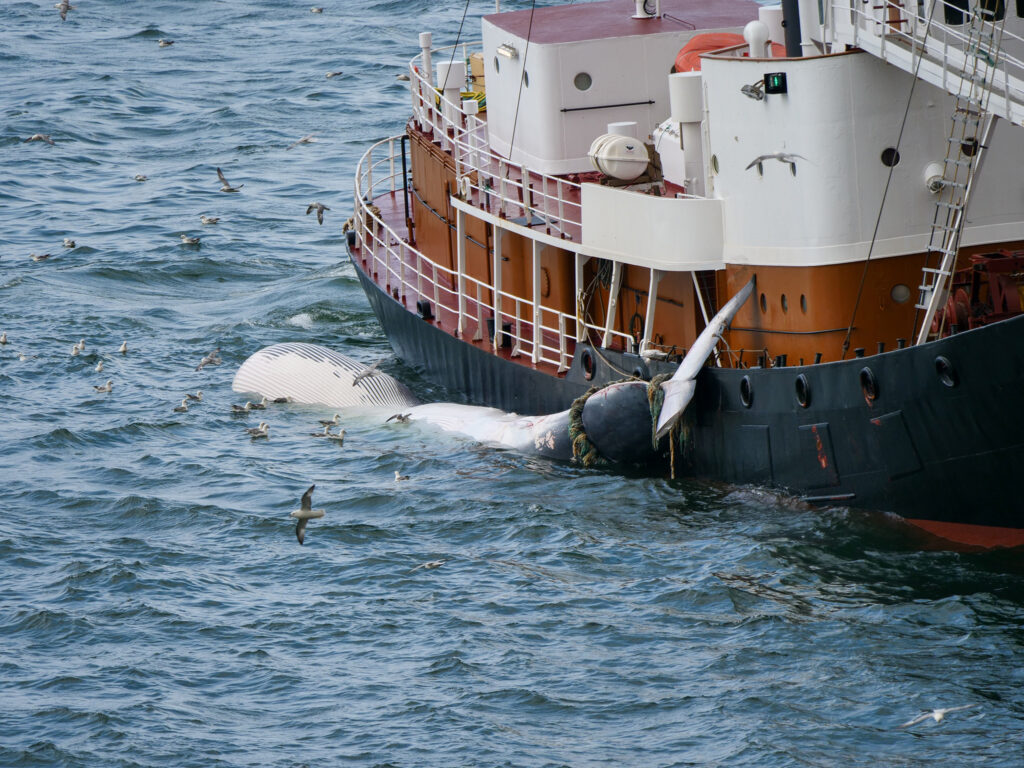
In the early morning hours of August 1st, catcher ship Hvalur 8 arrived with two fin whales tied to its starboard side at the whaling station in Hvalfjörður. The second animal in line for butchering, an adult male, quickly gained the attention of Hard To Port’s CEO Arne Feuerhahn.
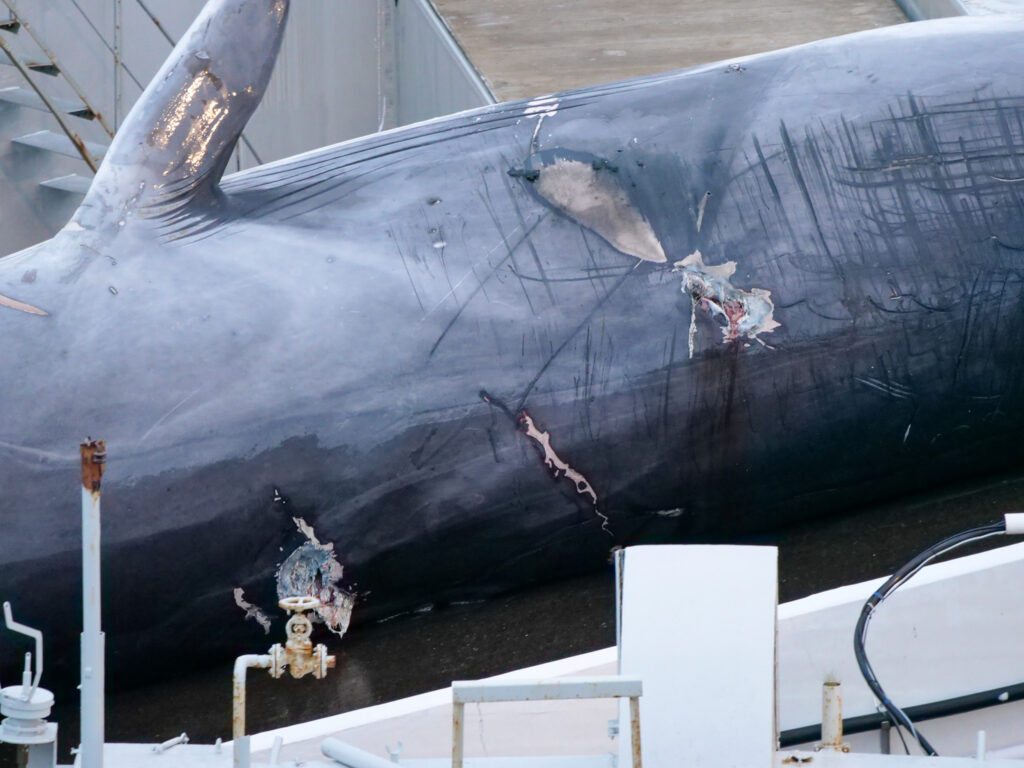
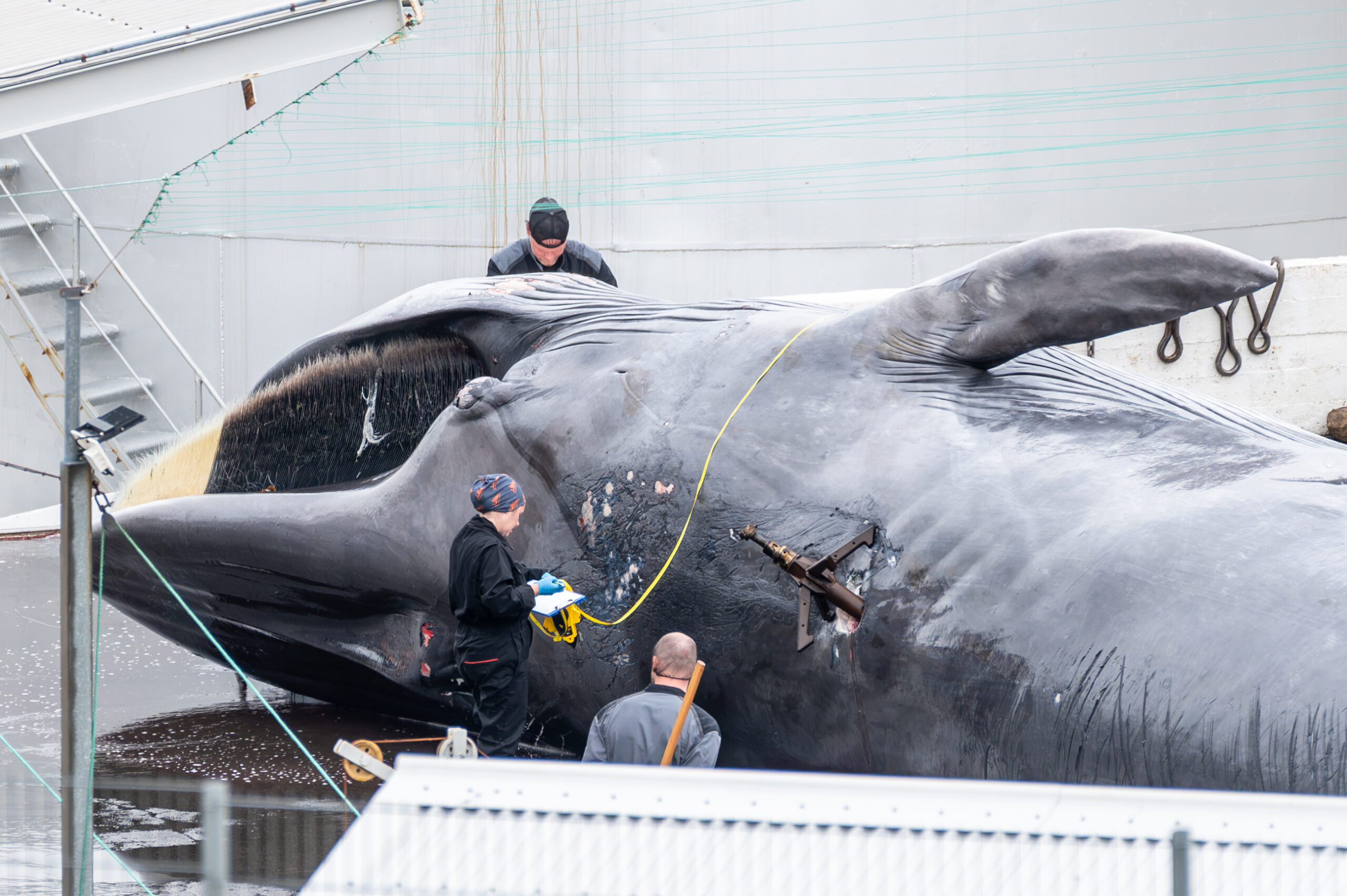
“Once this animal had been pulled out of the water, I documented a disturbing novelty in this year’s fin whale hunt, which my organization has monitored closely. This particular whale had three, mostly inaccurately fired harpoons, stuck in its body. One of the steel harpoons was heavily deformed – I assume this whale fought back for quite a while.” says Feuerhahn
Hvalur hf. staff members looked visibly irritated at the multiple harpoon strikes, before they started the flensing. Approximately half an hour into the process, a fourth harpoon emerged from the meat of the whale. It was later removed together with the internal organs.
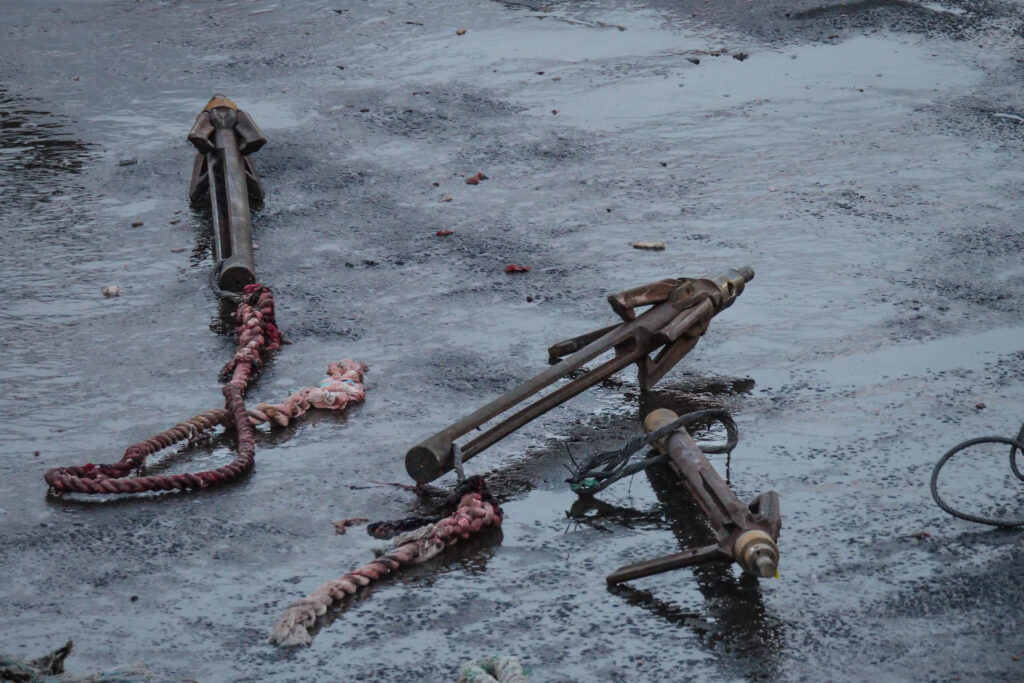
As the animal was slowly cut apart in a several hour long process, two undetonated penthrite grenades became visible. A Hvalur hf. staff member used a special wrench to loosen the grenades and unscrewed both of the devices by hand afterwards. Both grenades were taken away by the worker.
The marine conservation organization Hard To Port has documented several cases of mis- or inaccurately fired harpoons since the season started in mid-June. A number of malfunctioned penthrite grenades have also been revealed by the non-profit organisation.
“This new disturbing event emphasizes the importance of monitoring these hunts at sea, where they happen. If the company Hvalur hf. can not meet basic animal welfare standards during their hunts, which they obviously can’t, then they shouldn’t hold a license.” Feuerhahn concludes.
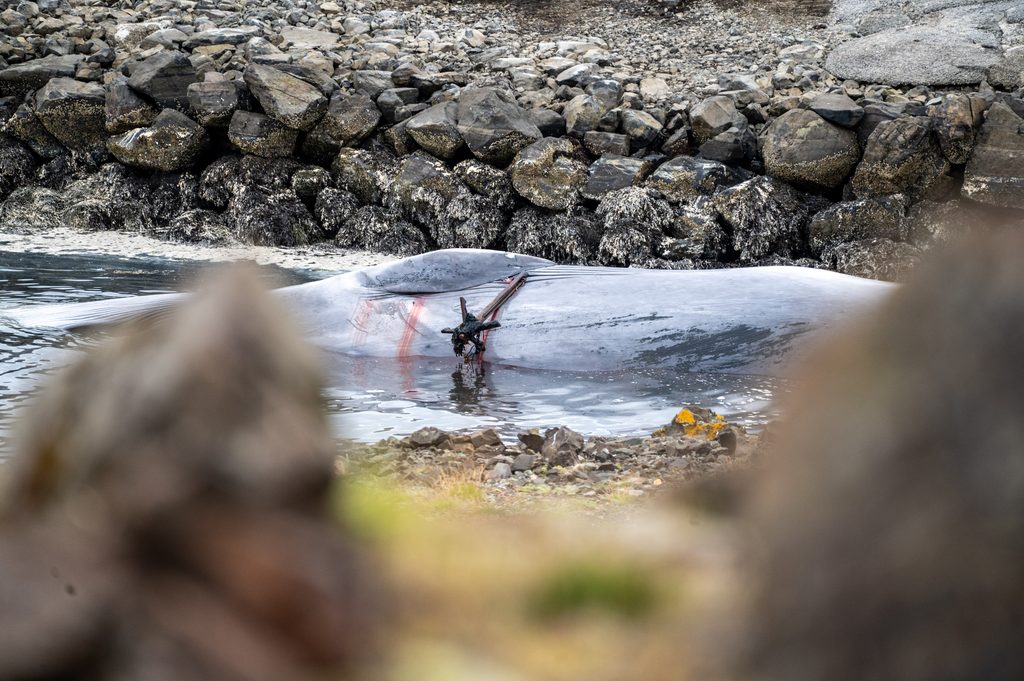
Two fin whales were landed by catcher ship Hvalur 8 at the whaling station in Hvalfjörður around midday yesterday. An adult female whale had two steel harpoons stuck in its body. One harpoon pierced the right pectoral fin of the animal and had an undetonated grenade still attached. The other harpoon struck the animal in its belly.
“We have documented another case of an inaccurately fired harpoon during this year’s fin whale hunt. These cases seem to be no exception but quite common. It is also the third documented case of an undetonated penthrite grenade by our team. Without a doubt, this adult female experienced a lot of pain during the long killing process.”says Arne Feuerhahn, CEO of marine conservation organisation Hard To Port.
The adult female was pulled onto the processing deck where Hvalur hf. staff started to remove the grenade from the misfired harpoon.
Two official observers were present during the butchering of the second animal. After some of the meat, the lower jaw, skin and blubber of the animal had been removed, the internal organs of the animal were exposed. The observers showed special interest in the uterus of the adult female fin whale and demanded it to be cut open. An approximately one meter long whale fetus became visible despite efforts to block the unborn calf from the cameras of conservationists. Two younger Hvalur hf. workers were instructed to remove the exposed fin whale fetus.
“Judging from the location and impact of the second harpoon, it seems possible that it not only killed the adult female whale but also her unborn calf. This is hard to witness and digest, even for those of us who have documented these activities for quite a while” says Feuerhahn.
“I think we have collected enough evidence. There is no doubt that the hunting of these large marine mammals violates existing animal welfare regulations. Our footage speaks for itself and we are willing to provide it to the responsible authorities, if requested.” Feuerhahn concludes.
The killing of pregnant fin whales in Iceland’s fin whale hunt was first documented and made public by conservation organisations, including Hard To Port, during the 2018 whaling season. The revelation made public and international news.
Female fin whales usually produce one calf every 2-3 years. Calves are born after approx. 11 months of gestation.